Tommy John Surgery for MMA Elbow Injuries: Effectiveness and Recovery
Tommy John surgery, formally known as ulnar collateral ligament (UCL) reconstruction, is widely recognized in baseball, but its applicability extends to other sports, including mixed martial arts (MMA). This raises a crucial question for MMA athletes experiencing severe elbow injuries: can this procedure enable a return to the Octagon?
The answer is affirmative under specific conditions, though MMA presents unique hurdles that differentiate recovery from that of baseball players.
Understanding Tommy John Surgery
Tommy John surgery addresses a torn UCL, the ligament on the inner side of the elbow crucial for joint stability. The surgery involves replacing the damaged ligament with a tendon graft, typically sourced from the athlete's own body or a donor.
First performed in 1974 by Dr. Frank Jobe on baseball pitcher Tommy John, the procedure revolutionized sports medicine. John's successful return to and improved performance in Major League Baseball solidified the surgery's significance.
Currently, UCL reconstruction is highly successful for well-selected athletes, with studies indicating an approximately 80% return to prior competition levels for many. (American Academy of Orthopaedic Surgeons)
Why MMA Fighters May Require UCL Reconstruction
While MMA fighters do not engage in the repetitive throwing motion of baseball pitchers, their elbows are still subjected to immense stress. Actions like punching, grappling, wrestling, posting on the mat, and defending takedowns can all strain the UCL. Acute UCL injuries can also occur when an arm is forced beyond its normal range of motion.
Medical experts acknowledge that UCL injuries are not exclusive to baseball players, affecting athletes in sports such as wrestling, football, and gymnastics. (Mayo Clinic)
For an MMA fighter, a significant UCL tear can result in pain, instability, and an inability to generate or absorb force effectively through the arm.
Effectiveness of Tommy John Surgery in MMA
The effectiveness in MMA is a more nuanced topic. While UCL reconstruction enables athletes to return to competitive sports, most extensive studies focus on baseball and throwing athletes, not professional MMA fighters.
This distinction is significant. A baseball pitcher primarily needs the elbow to withstand the forces of throwing. An MMA fighter, however, requires an elbow capable of handling a much broader spectrum of unpredictable forces, including:
- Full-power punches
- Defending takedowns
- Posting against the cage or mat
- Grappling exchanges
- Absorbing strikes
- Repeated elbow extension and flexion
- Defending submissions
- Using the arm for bodyweight support
Therefore, a successful UCL reconstruction does not automatically qualify an athlete for MMA competition.
Extended Recovery Timeline for MMA Fighters
A major challenge for fighters is the prolonged rehabilitation period. Johns Hopkins Medicine suggests a recovery of nine months to a year or longer before returning to competition. The American Academy of Orthopaedic Surgeons estimates complete recovery can take 12 to 18 months.
This extended absence poses a considerable challenge for an MMA fighter's career. Furthermore, returning to competition does not always equate to returning to the fighter's previous performance level.
A review of MLB pitchers found that while 80-97% returned to play after UCL reconstruction, only 67-87% returned to their previous level, often taking around 15 months. While these figures aren't directly transferable to MMA, they highlight that successful surgery is merely the initial step in recovery.
Unique Demands of MMA in Rehabilitation
Unlike baseball, where pitchers follow a controlled throwing program during rehab, MMA fighters must eventually return to an environment where an opponent actively attempts to manipulate the injured joint. This makes the final stages of rehabilitation particularly critical.
Fighters must not only demonstrate normal elbow movement or pad work but also prove that the reconstructed ligament and surrounding muscles can withstand the unpredictable demands of wrestling and grappling. Returning prematurely can be dangerous, increasing the risk of graft failure if excessive stress is placed on the healing ligament. (Johns Hopkins)
Non-Surgical Options for UCL Injuries
Crucially, not all UCL injuries necessitate Tommy John surgery. Treatment depends on the tear's severity and location, the athlete's symptoms, elbow stability, and competitive aspirations.
Some injuries can be managed with rest, rehabilitation, and strengthening. In certain cases, ligament repair may be recommended over reconstruction, and modern techniques may include an "internal brace."
For an MMA fighter, the treatment decision should be based on the specifics of the injury rather than solely on the desire for a quick return to competition.
Can an MMA Fighter Recover from Tommy John Surgery?
Absolutely. However, the more pertinent question is whether the surgery, rehabilitation, and training process can restore sufficient stability and strength for the individual fighter to safely endure the rigors of MMA.
Medical evidence supports strong return-to-sport outcomes following UCL reconstruction, and UCL injuries are recognized in contact sports like wrestling. The long-term success rate specifically for professional MMA fighters remains less documented due to the extensive research on baseball and other throwing sports.
Patience is paramount for a fighter's recovery. A reconstructed elbow requires time to heal, surrounding muscles need rebuilding, and striking, wrestling, and grappling must be gradually reintroduced.
The Concluding Perspective
Tommy John surgery is not a universal solution, nor is it specifically tailored for MMA. However, by reconstructing a ligament vital for elbow stability, it can be a career-preserving option for MMA fighters with severe UCL injuries.
The path to recovery is arduous. For athletes whose careers depend on their ability to strike, grapple, and endure extreme positions, the primary objective should be a healthy return to competition, enabling them to stay in the Octagon, rather than a hasty comeback.
Fresh materials — MMA news
Crypto Gaming Terms: RTP, Provably Fair, House Edge Explained
Navigating a crypto casino's game lobby often means facing a barrage of unfamiliar abbreviations and terms. These can be used casually but have distinct meanings. Understanding each term helps you read game statistics accurately instead of just glancing over them. RTP: Your Long-Run Payou
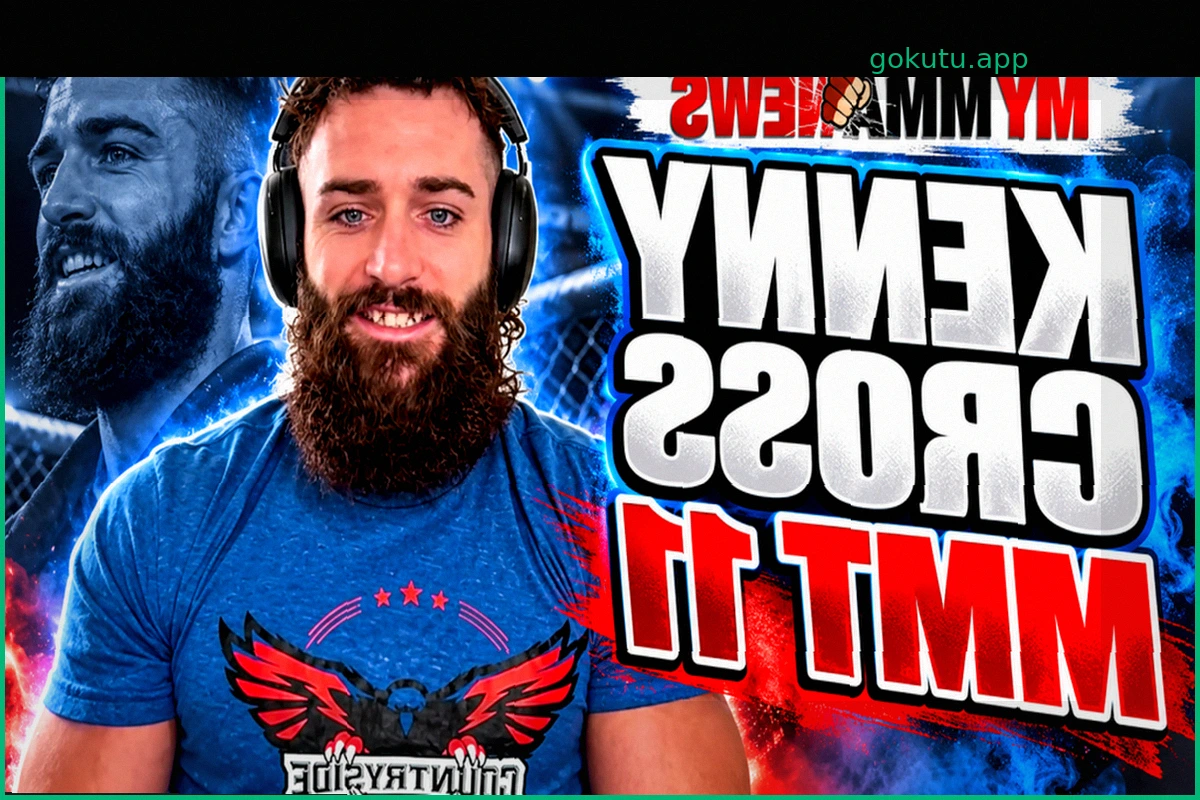
Kenny Cross Aims for Statement in Muay Thai Debut on November 7
Kenny Cross shares his thoughts on his upcoming Muay Thai bout against James Barney at MMT 11 on November 7. Cross also addresses his defeat by Salahdine Parnasse and the PFL-MVP merger, detailing his predictions for the fight. “He’ll either be knocked out in the first round, or we’ll pus

UFC 334: Gane vs. Hokit Headlines Madison Square Garden Return
UFC is back at Madison Square Garden in New York City, headlined by a championship doubleheader. In the main event, undisputed UFC heavyweight champion Ciryl Gane makes his first title defense against No. 4 ranked contender Josh Hokit. The co-main event features a highly anticipated women's ban
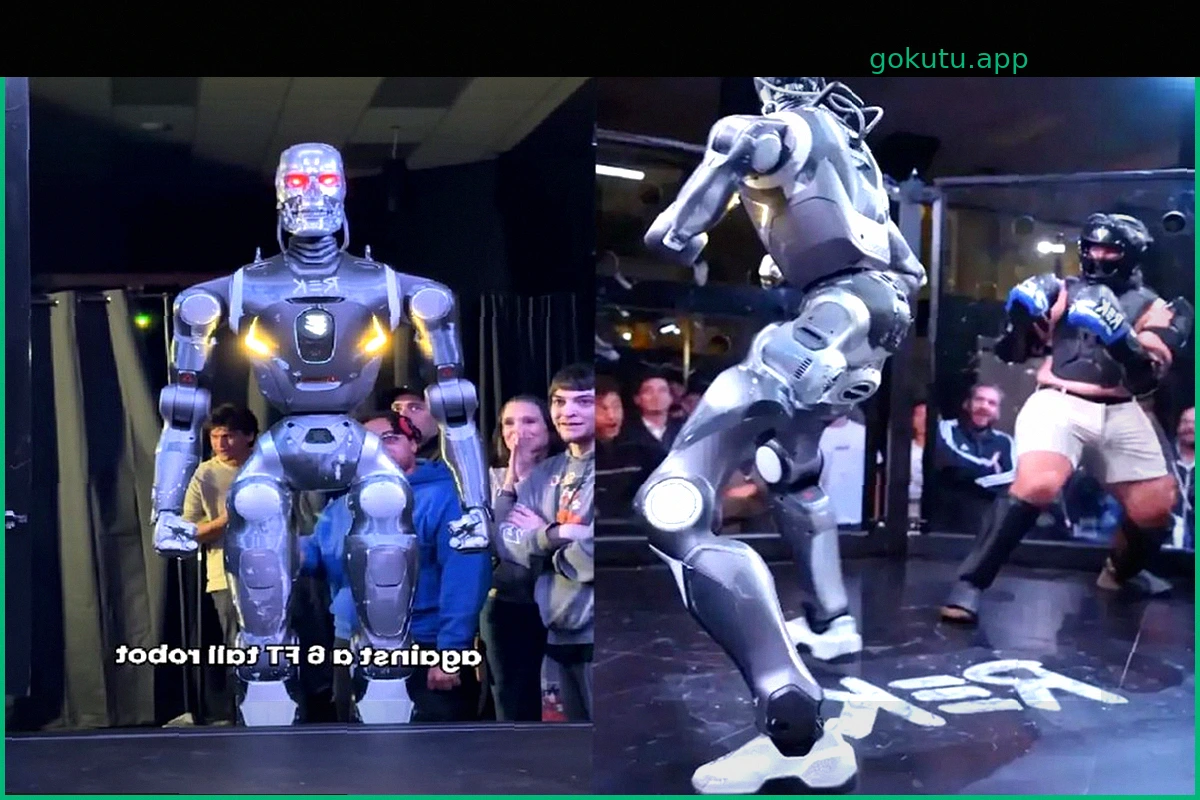
Influencer Fights Terminator-Style Robot in MMA Match
American influencer Frankie LaPenna entered the MMA cage on September 18 to face a six-foot-tall robot. The event was organized by the robot's creator, REK (Robot Entertainment Kombat). LaPenna is known for his viral TikTok and YouTube videos featuring green screen stunts, often depicting
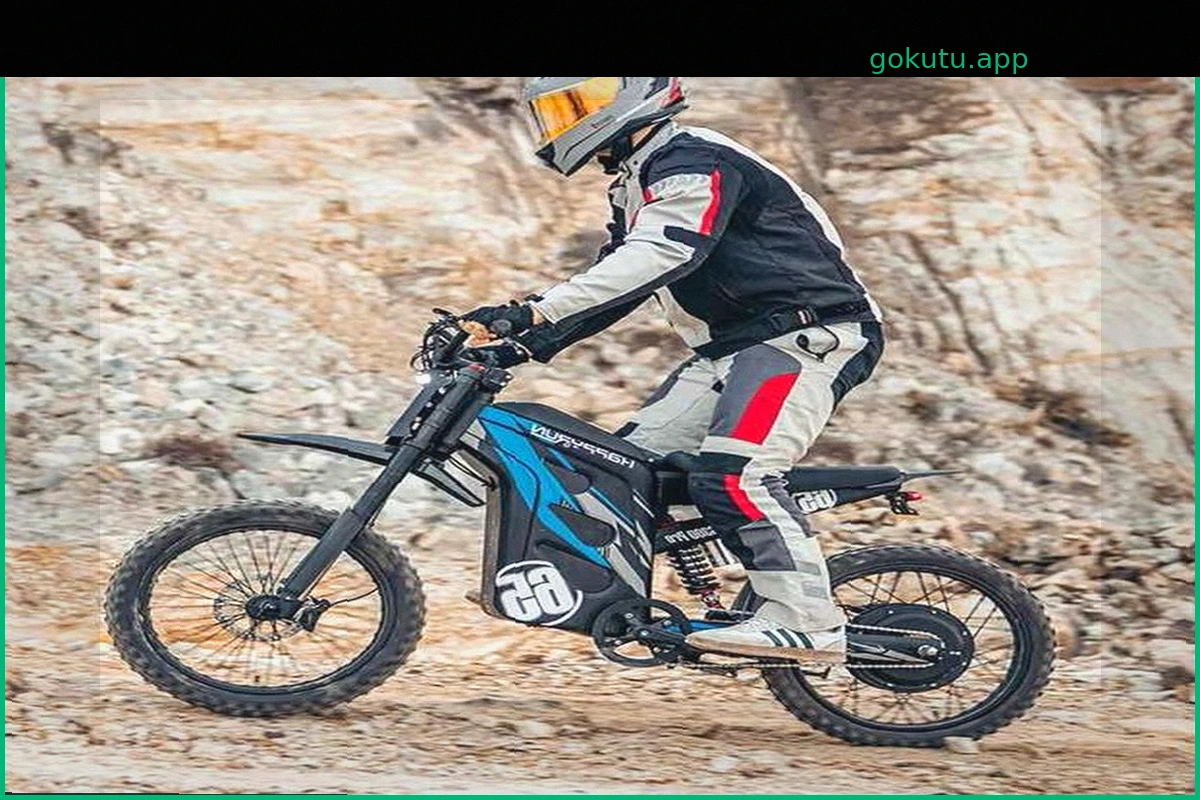
Electric Dirt Bikes Revolutionize Off-Road Riding
Electric bikes are no longer just alternatives to traditional bicycles. This technology now reshapes daily commutes and recreational trail riding. Electric dirt bikes stand out as a thrilling development in the two-wheel industry. They merge powerful motors, rechargeable batteries, modern susp
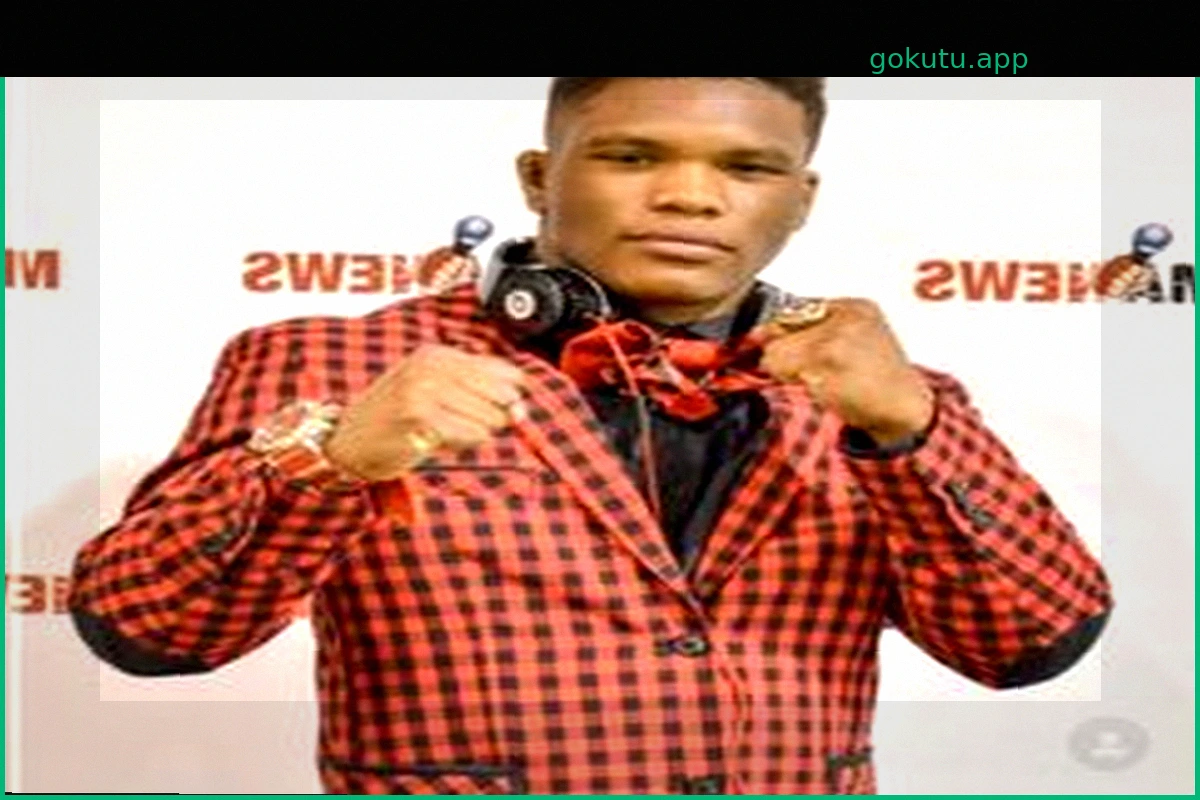
Solomon Renfro arrested for alleged assault in New York
Mixed martial artist Solomon Renfro, based in New York, was arrested Sunday. Police responded to a 911 call early Sunday morning in Chinatown, Manhattan, finding a 22-year-old woman with scratches and bruises. Renfro, 29, nicknamed "The Black Dragon," was taken in for questioning. He was subse